Agentic
Verified Sending Domain Acquisition Through MCP Calls Without Manual DNS Touchpoints
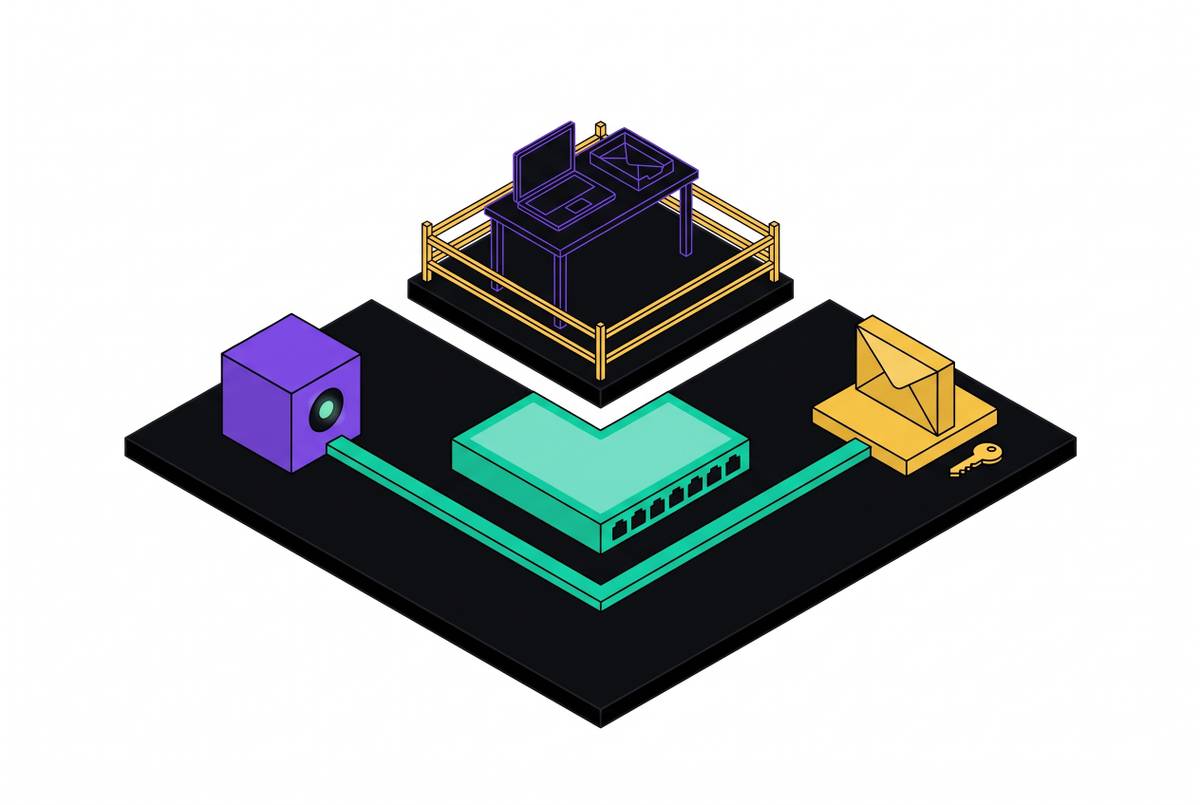
Agents can verify a sending domain via MCP only if both providers expose the tools.
Taryn Osei-Mensah · November 21, 2026 · 8 min read
Section
22 stories in Agentic
Agents can verify a sending domain via MCP only if both providers expose the tools.
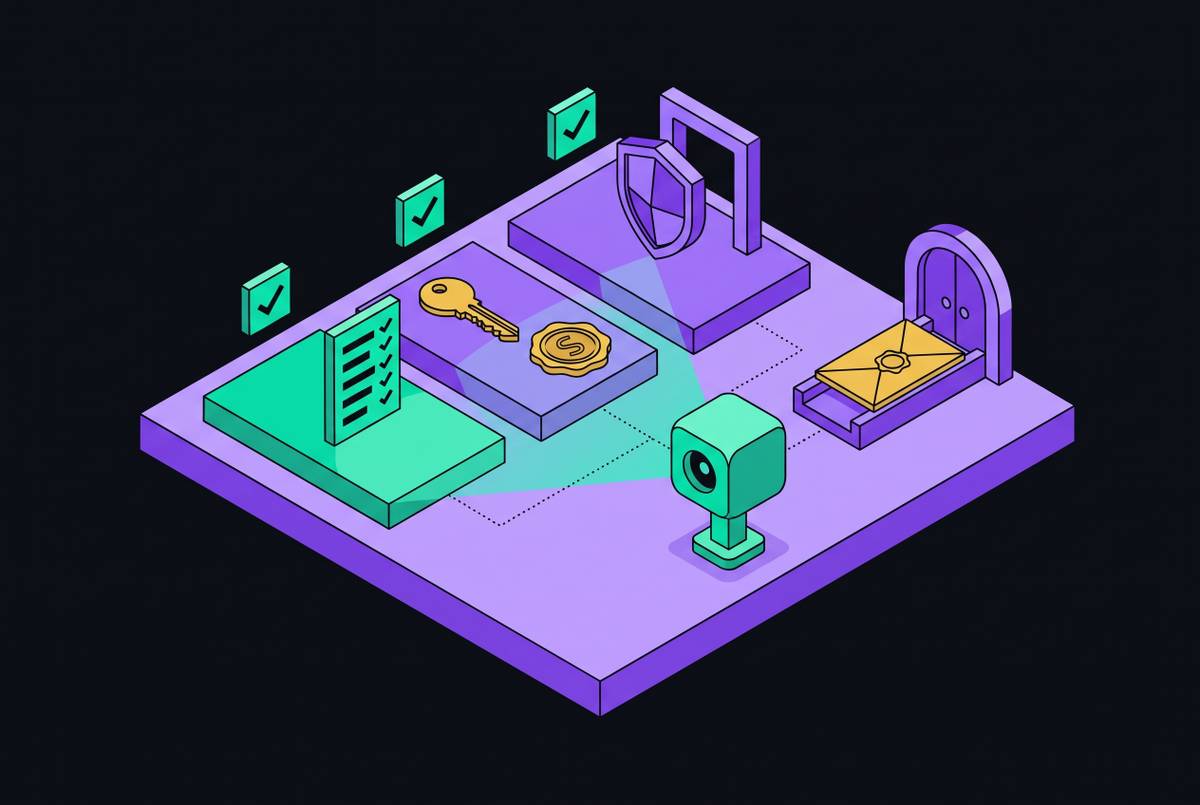
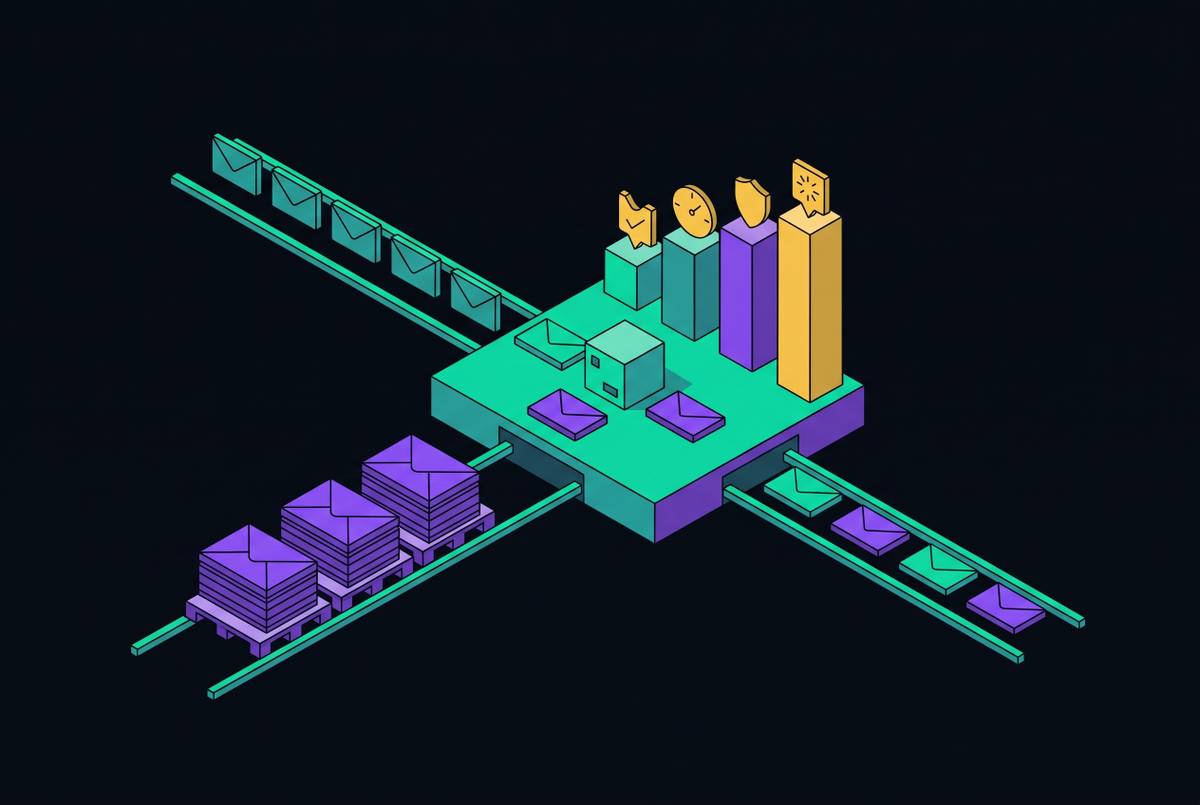
Four runtime signals decide the send path, not API acceptance.
Email APIs assume a human closes the loop, and agents can't.
Agent email tools need provisioning, linting, suppression, and safe retries.
Agents need email stacks that machines can run without a human.
Agents need MCP tools that provision and verify sending domains.
A state machine, capped DNS polling, and a pre-send gate keep agents safe.
A shared email API must enforce stream, retry, and reputation boundaries.
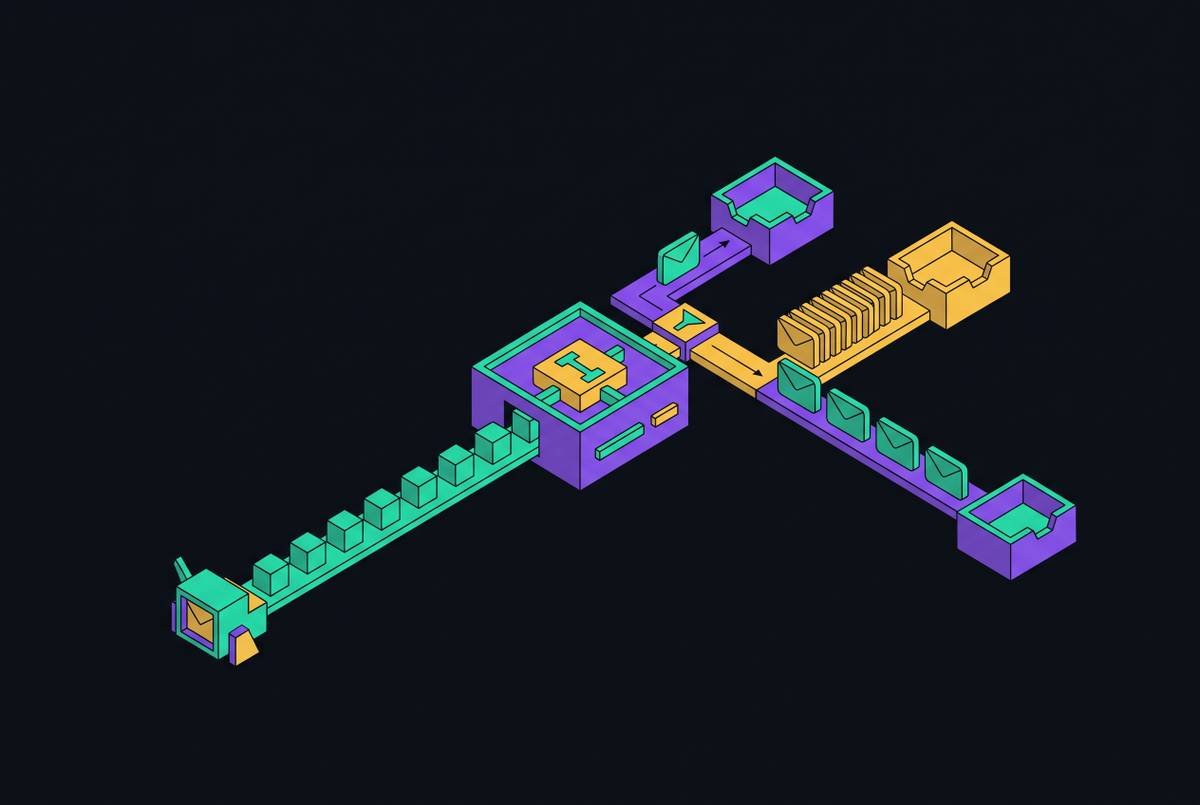
Two named MCP tools keep receipts and newsletters safely apart.
Agents need authenticated sending identities that provision dynamically, not at deployment.
AI agents need dedicated email infrastructure separate from human tools to send reliably at scale.
Autonomous agents must validate SPF, DKIM, and DMARC before sending their first message.
Autonomous agents need API safeguards designed for unsupervised sending, not human oversight.
Agents must classify every message and isolate send streams before the API accepts the call.
Autonomous email agents need idempotency and pre-send validation, not just SDK quality.
Autonomous email agents need separate domains to prevent one traffic type from sabotaging the other.
Infrastructure must enforce time-zone rules before agents fire sends at scale.
Protect business email by isolating autonomous agents on dedicated subdomains.
Unified email APIs prevent agents from duplicating sends and breaking compliance.
Deterministic idempotency keys prevent agents from sending duplicate emails during retries.
Autonomous agents expose design flaws baked into human-centric email APIs.